
THC syrup introduces a dual compliance question that most cannabis travellers have not considered before reaching the checkpoint. BudPop THC syrup sits at the intersection of two separate regulatory frameworks at airport security: TSA liquid volume rules and federal controlled substance classification. Every liquid carried through a checkpoint is assessed against the 3.4 fluid ounce carry-on limit, and every cannabis-derived product is assessed against federal scheduling. THC syrup triggers both evaluations simultaneously. A traveller who prepares for one without accounting for the other arrives at the scanner with an incomplete picture of what screening involves. Working through both frameworks before departure is what keeps the journey on track from the first checkpoint to the last.
TSA liquid volume rules
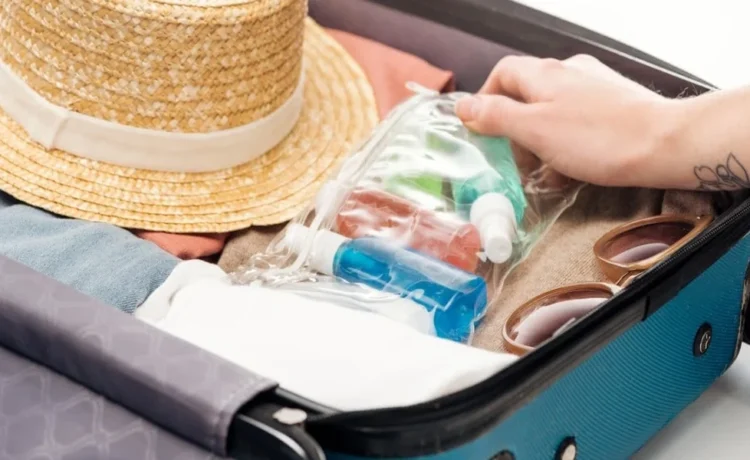
TSA liquid rules apply to every traveller regardless of what the liquid contains. The 3-1-1 rule governs all carry-on liquids: containers must not exceed 3.4 fluid ounces, all containers must fit within one clear quart-sized bag, and each traveller carries one such bag through the checkpoint. THC syrup falls under this volume framework at the carry-on stage. Bottles exceeding 3.4 fluid ounces placed in carry-on luggage are flagged during screening regardless of compound content.
- Containers at or below 3.4 fluid ounces meet the volume requirement, but still carry the compound classification issue that federal jurisdiction applies to cannabis-derived liquids.
- Syrup bottles exceeding the volume limit in carry-on bags draw a secondary check that simultaneously surfaces the compound classification question.
- Checked luggage carries no equivalent volume restriction, though federal drug classification applies equally to checked items.
THC Syrup Checkpoint Classification
Federal jurisdiction governs every airport security perimeter, and THC syrup carries a Schedule I controlled substance classification at that level regardless of the departure state’s retail cannabis framework. A product purchased legally at a dispensary in a legal-market state does not carry that legal standing past the security checkpoint entrance. Cannabis-derived syrups fall within the controlled substance designation that TSA officers reference during secondary assessments. Hemp-derived syrups containing less than 0.3 per cent THC by dry weight hold a different federal classification and move through checkpoint review differently. Original packaging with clear compound labelling allows an officer to make that determination without extended secondary review. Informal enforcement practices at certain airports exist but carry no policy guarantee and change without notice.
Travelling with THC syrup
Preparing to travel with THC syrup requires addressing liquid volume compliance, compound classification, and destination law as three separate checks before departure day. Confirm carry-on containers meet the 3.4 fluid ounce volume limit and fit within a single quart-sized bag. If syrup volume exceeds carry-on limits, checked luggage is the placement option, with the understanding that federal classification applies equally to checked items. Verify compound classification before packing. International travel adds destination country import law to the existing federal classification picture.
- Canada prohibits cross-border cannabis product import regardless of legal standing in either country.
- European Union countries treat THC-containing liquid products as controlled substance imports subject to prohibition.
- Southeast Asian destinations apply strict import rules that place cannabis-derived syrups within prohibited categories.
- Transit stops where a traveller enters a transit zone fall under the entry rules of that country, not the final destination framework.
Travelling with THC syrup runs through the liquid volume rules and federal compound classification as two parallel tracks. Both apply at the checkpoint simultaneously, and travellers swho address each before departure arrive at every stage of the journey with the clarity that keeps the trip moving without interruption.