

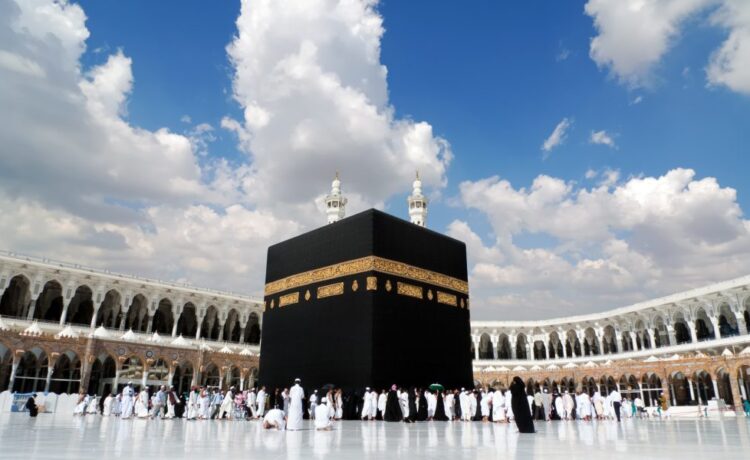
One of the five pillars of Islam, the Hajj is a deep act of worship that millions of Muslims from all over the world do each year. The experience is both a privilege and a big responsibility for first-time pilgrims, necessitating meticulous preparation and planning.
The hajj 2026 Muslim pilgrimage is a once-in-a-lifetime journey of faith, introspection, and dedication for those who perform it. It is a spiritual commitment firmly anchored in Islamic belief rather than merely a physical act of travel. It is essential to Muslims’ faith since it is one of the five fundamental duties known as the Pillars of Islam.
Spiritual significance
Hajj can be compared to a spiritual reset button. It provides an opportunity for worshipers to purify their hearts, seek forgiveness, and renew their commitment to live a righteous and meaningful life. For many, it is a life-changing experience that reinforces their religion and promotes a sense of togetherness with Muslims around the world.
Who is obligated to perform Hajj?
Not all Muslims are obligated to perform the Hajj right away; only those who fulfill certain requirements are. Islam places a strong emphasis on practicality and does not force people who cannot make the trip to do so.
Hajj should only be undertaken if you can afford it without falling into debt or disregarding other essential tasks. Walking vast miles and spending hours in prayer are two of the physically taxing traditions associated with the journey. Hajj is a spiritual requirement for all adult Muslims. Children may go with their parents, but until they are of legal age, this does not satisfy the criteria. Muslims with a sound mind and the capability to understand the rituals should participate.
If any of these criteria are not met, the obligation to undertake Hajj does not apply. However, the requirement would then take effect if conditions changed, such as financial improvement or recovery from a disease.
By establishing these guidelines, Islam makes sure that the Muslim Hajj journey does not become a burden but rather a profoundly meaningful act of worship. It encourages every Muslim to strive for the opportunity while preserving balance in their lives.