

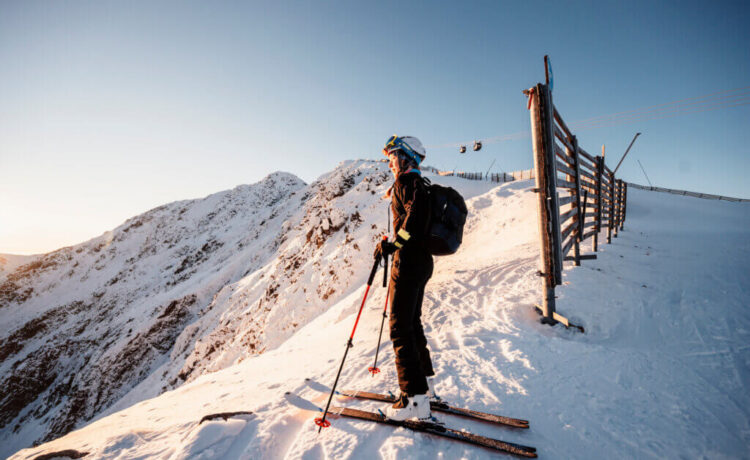
Planning a mountain escape, whether you are staying in a catered ski chalet Val d’Isere or exploring the wider Alps, should be exciting from start to finish. Fresh snow, sweeping views and long runs make skiing one of the most exhilarating winter experiences. However, the mountain environment demands respect. Weather changes quickly, terrain varies widely and speed can turn small mistakes into serious accidents.
Whether you are heading to Val d’Isere or exploring the vast terrain of St Anton am Arlberg, these essential safety tips will help you stay confident and protected on the slopes.
Know and Follow the Skiers Responsibility Code
Every skier and snowboarder shares responsibility for safety on the mountain. While wording may vary by country, the principles are the same:
- Stay in control at all times
- Give way to people below you
- Do not stop where you obstruct a run
- Look uphill before merging onto a piste
- Observe signage and warnings
Understanding that the skier downhill from you has priority is especially important. Most collisions happen because someone uphill loses control or fails to anticipate another person’s movements.
Wear a Properly Fitted Helmet
Helmets significantly reduce the risk of head injury. While once optional, they are now considered essential for skiers of all ages and abilities.
Choose a helmet that fits snugly without pressure points and sits level on your head. Replace it after any significant impact. Even if the damage is not visible, the protective structure may be compromised.
Warm Up and Know Your Limits
Cold muscles are more prone to injury. Take a few minutes before your first run to stretch your legs, hips and lower back. Start the day on easier pistes before progressing to more challenging terrain.
It can be tempting to follow more advanced friends onto steeper runs, but skiing beyond your ability increases the risk of falls and collisions. Build confidence gradually and take lessons if you want to improve safely.
Check Weather and Conditions
Mountain weather can change rapidly. Poor visibility, strong winds and heavy snowfall can transform familiar terrain into something far more challenging.
Before heading out, check the resort snow report and weather forecast. Resorts such as Chamonix are known for dramatic weather shifts due to their high alpine setting.
If visibility deteriorates, slow down and stay on marked pistes. Flat light can make it difficult to judge terrain changes and icy patches.
Stay Hydrated and Fuelled
Cold temperatures can mask dehydration. Add altitude into the mix and fatigue sets in more quickly than many people expect.
Drink water regularly throughout the day and eat balanced meals or snacks. Energy levels directly affect coordination and reaction time, both of which are critical for safe skiing.
Be cautious with alcohol during lunch breaks. Even small amounts can impair judgement and balance.
Use the Right Equipment
Ill fitting boots, poorly adjusted bindings or unsuitable skis can increase the risk of injury.
If renting equipment, ensure boots fit snugly but comfortably and ask staff to set bindings according to your height, weight and ability level. Do not attempt to adjust bindings yourself unless you are properly trained.
Regularly check that your equipment is in good condition. Sharp edges and well maintained bases improve control, particularly on icy pistes.
Respect Closed Areas and Avalanche Warnings
Roped off areas are closed for a reason. Hazards may include avalanche risk, unstable snow, exposed rocks or grooming machinery.
If you plan to ski off piste, especially in alpine environments like Verbier, proper preparation is essential. This includes avalanche training, carrying a transceiver, probe and shovel, and ideally skiing with a qualified guide.
Never venture into backcountry terrain without the right knowledge and equipment.
Be Aware of Fatigue
Most ski injuries occur in the afternoon when people are tired. Reaction times slow and technique deteriorates.
Listen to your body. If your legs feel heavy or your concentration is fading, call it a day. One extra run is rarely worth the risk of an injury that could end your season.
Learn How to Fall Safely
While no one plans to fall, it happens to every skier. If you lose balance, try to relax rather than stiffen up. Avoid using your hands to break a fall at high speed, as this can lead to wrist injuries.
After a fall, move to the side of the piste as quickly as possible to avoid obstructing others. If you are injured, signal clearly for assistance and remain visible.
Take Lessons and Refresh Your Skills
Even experienced skiers benefit from professional instruction. Instructors can correct subtle technical issues that affect control and efficiency.
A refresher lesson at the start of your trip can improve confidence and reduce risky habits. Better technique is not just about performance, it is about safety.
Final Thoughts
Skiing is meant to be fun, freeing and energising. By taking sensible precautions and respecting the mountain environment, you can significantly reduce your risk of injury.
Stay in control, wear the right equipment, monitor conditions and know your limits. With awareness and preparation, you can enjoy the slopes safely and make the most of every run.