
Introduction: Andaman Islands
Located in the southeast of mainland India, Andaman Islands are an archipelago of 831 islands. Out of which only 31 islands are inhabited by the human population. From a tourism perspective, the most popular islands/places to visit in Andamans are: Port Blair (Sri Vijaya Puram), Havelock Island (Swaraj Dweep), and Neil Island (Shaheed Dweep).
Besides the above mentioned three spots in South Andamans, one can also take day trips to two uninhabited islands: North Bay & Ross Island. This blog will shed light on Ross Island and how it is an important part of Andaman’s colonial history. With colonial ruins, a deer park, and banyan trees spreading its roots, alongside shrubs and vines, Ross Island has a hauntingly beautiful appeal to it.
Ross Island Overview
During the British era on the Andaman Islands, Ross Island was chosen as the administrative capital due to its strategic location and proximity to Port Blair. The name Ross Island was named after Sir Daniel Ross, who was a marine surveyor with the East India Company. This colonial township was the centre of social and political life for colonial officers. The beauty and life that thrived on the island earned it the title of “Paris of the East” by British officers.
There were massive bungalows of officers, a swimming pool, and a tennis court. From the ruins, historians record that there was also a bakery, a church, some water treatment plants, a printing press, and even a ballroom to host dance parties and dinners.
Beyond the grandeur and opulence of the British, lied the grim and inhumane labour of Indian revolutionaries and political prisoners who lived under inhumane living conditions. Later the Japanese invaded the island and many of the British structures were destroyed. The British could never re-established their influence on Ross Island and eventually had to abandon the island for good, making Port Blair their new capital.
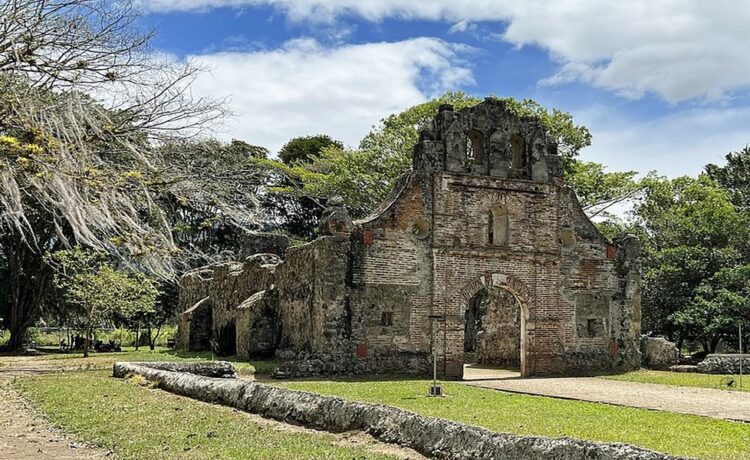
Today, Ross island is covered in ruins with trees, vines, and algae covering the broken and abandoned walls. It is also a thriving place for deer and Andaman wood pigeons.
How to Reach Ross Island
- Ross Island (now known as Netaji Subhash Chandra Bose Island) is easily reachable via boat ride which takes 15 to 20 minutes.
- Daily ferries/boats ply from Port Blair’s Aberdeen Jetty (inside the water sports complex).
- You can also reach Ross Island if you are staying at Havelock Island or Neil Island. BUT you have to book a ferry from Havelock to Port Blair or from Neil Island to Port Blair.
- Oftentimes a trip to Ross Island is combined with North Bay Island, if you plan to book an Andaman tour package.
- The ferry from Port Blair’s Aberdeen Jetty to Ross Island, but it is best to check and compare both online and offline prices.
Entry Fees and Timings
- Entry Fee: INR 30 (Indian citizens), INR 500 (foreigners)
- Ferry Cost: Around INR 150-200 (round trip)
- Timings: 8:30 AM to 4:30 PM; Closed on Wednesdays
Colonial Ruins of Ross Islands
Here are the ruins you can see at Ross Island. The island is small enough that one could easily cover it one day. You can see the following ruins:
- Ruins of Presbyterian Church (Gothic style architecture)
- Chief Commissioner’s House (grand residence of British administrative head)
- British Clubhouse (for parties, dance, and gatherings)
- Bakery (a fully functional bakery that supplied bread & cakes)
- Officer’s Residences (where British officers and their families lived)
- Hospital (a colonial era medical centre)
- Cemetery/Graveyard (for burial with british tombstone)
- Printing Press (use for publishing newspapers, documents, etc)
- Subordinate’s Club (use by junior British officers for recreation)
Today, all of the once grand structures have surrendered to nature.
What to See in Ross Islands (other than ruins)
Besides ruins, these are the attractions/experiences you can enjoy at Ross Island:
-
- Ferrar Beach – Walk on the most pristine beach of Ross Island. Dip your feet into the cool waters during the low tide and enjoy the calm.
- Deer Park – Ross Island has a well protected deer park and holds a healthy population of around 500 deer.
- Japanese Bunkers and Tunnels – When the Japanese invaded these islands, they established their bunkers and tunnels during world war 2.
- Man made Caves – While roaming the island you will also see man made caves, believed to build for hiding and protection.
- The Light and Sound Show: Do not miss the incredible Light & Sound Show in the evening. It is one of the highlights of visiting Ross Island in Andaman. The sound show includes voices of incredible artists like Gulzar, Shabana Azmi, Shankar Ehsan Loy and more.
- Smritika Museum: This museum houses a collection of antiques, photographs that unfold in the event’s history.
Best Time to Visit Ross Island
The best time to visit Ross Island is from October and March. It’s a time when the weather is cooler and ideal for exploring the island on foot. Please avoid visiting Ross Island in the monsoon season (June to September) because heavy rains may restrict access and make exploration difficult.
Conclusion
A trip to Ross Island will make you aware about the colonial history of this island and how life unfolded in the era of British colonization. If you are someone who is interested in learning more about the Andaman Islands or wish to explore Ross Island, please contact the local travel planners: https://www.andamantourism.org/